I offer supervision online as well as in person
Presently accepting clients
Auckland and Northland
Baptist, Methodist, Presbyterian
Church Leadership, Lifelong Learning, Women in Leadership
Contact details
Supervision Training and Experience
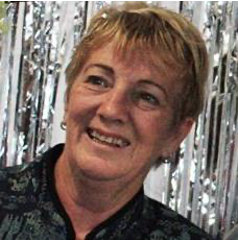
 I have been a NZ Presbyterian minister in full standing since 1975. For some of that time I was an at-home mother raising children, and for some years I served as associate pastor in the Baptist movement. The rest of the time I was in the PCANZ, serving variously fulltime and part time as a chaplain, parish minister, elder and Christian educator. In retirement, I have a small business where I serve as Pastoral Supervisor, Ministry Review facilitator and Ministry Coach.
I completed CAIRA training in 2006, after engaging in NZAC counsellor training for some years. Have completed CAIRA registration requirements every year and contributed as a local trainer.
Approach to pastoral supervision
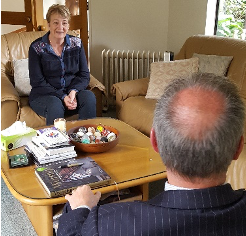
Ministry Supervision is a formative tool that helps people in pastoral ministry reflect on their work in a regular, pastor-initiated, self-review exercise that can helpfully complement other means of self-awareness and accountability. I believe it is essential for ministers to have at least one person with whom they can honestly reflect on their work, who can ask the tough questions of “why? what’s going on inside? what’s driving this?”
Good habits of supervision are now a career-long expectation for clergy, and have been shown to correlate with job satisfaction as pastoral leaders monitor their responses, manage their workload and challenge dysfunctional systems. I normally ask the supervisee to set the agenda, and simply act as a ‘wise listener’ in a conversation that reflects on questions that have been raised in their minds that month. These might include difficulties in relationships with parishioners or colleagues, sad or vexing pastoral situations, leadership dilemmas, and boundary issues. Sometimes I am the only person with whom these concerns can be shared, so supervision is also a form of self-care for them.
Because I am outside the sphere of the local church or chaplaincy, and because the conversations are utterly confidential, together we can engage in reflection that helps keep the minister and their pastoral practice safe. I help the supervisee explore options, build on their strengths, and move on from their mistakes. My hope is that at different times we will address various dimensions of their professional life, so the experience of supervision is ‘formative, normative and restorative’.